Why this confuses newcomers
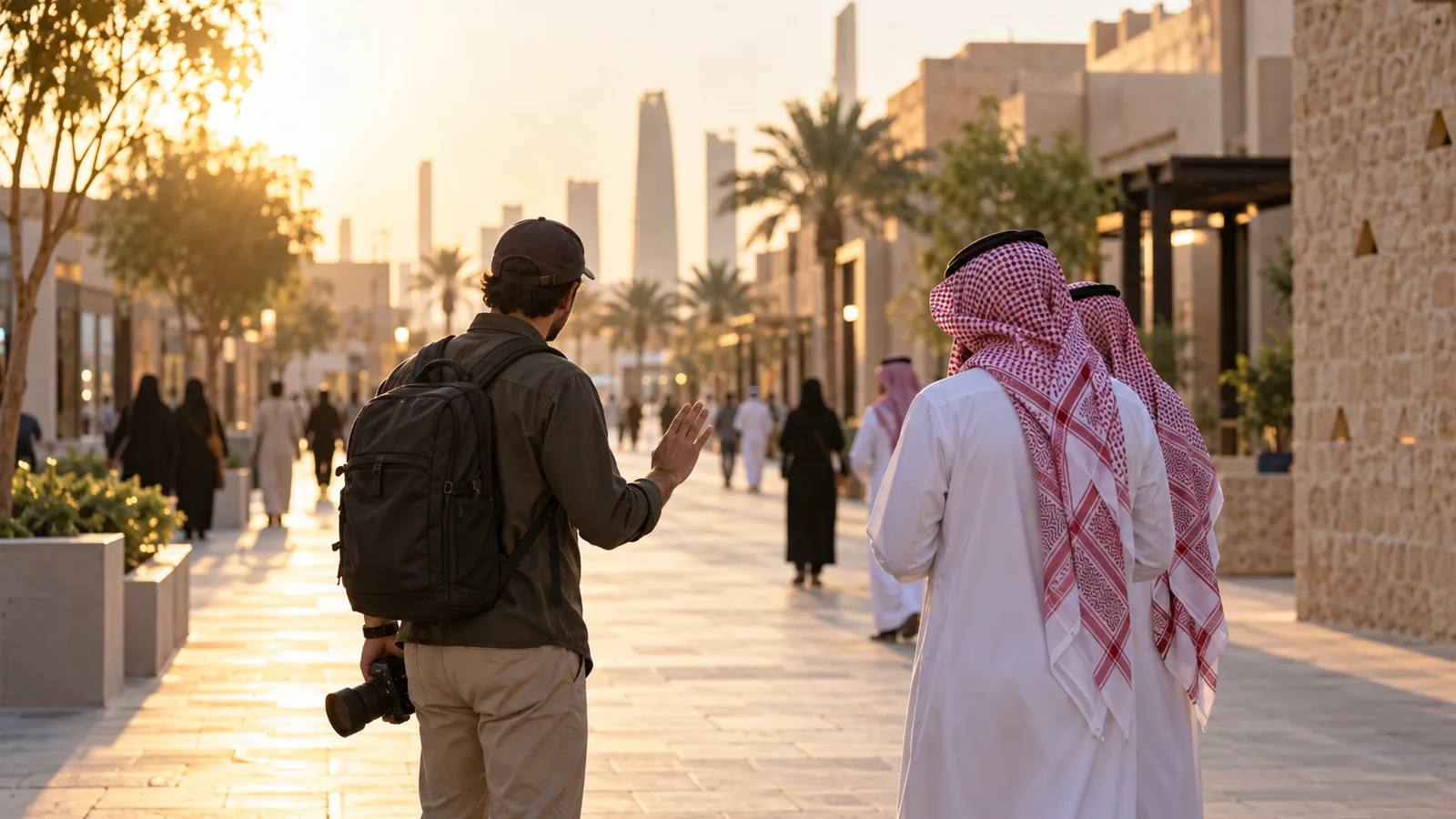
People arriving in Saudi Arabia often hear two contradictory things: that street photography is heavily restricted, and that everyone is taking pictures everywhere. Both descriptions capture something real. Casual photography is completely ordinary in most public settings. At the same time, there are genuine sensitivities, and a few places where taking pictures will get you stopped.
The useful mental model is not a list of rules. It is a single principle: the issue is almost never the camera, it is who or what ends up in the frame.
Photographing people
This is the one that matters most, and the standard is simple. Do not photograph people who have not agreed to it, and be particularly careful about photographing women and children.
This is not merely etiquette. Photographing someone without consent, and especially publishing it, is treated seriously here, and privacy expectations are stronger than many visitors assume from their home countries. A wide street scene that happens to include distant passers-by is a different thing from a recognisable picture of a stranger, and the second is what causes problems.
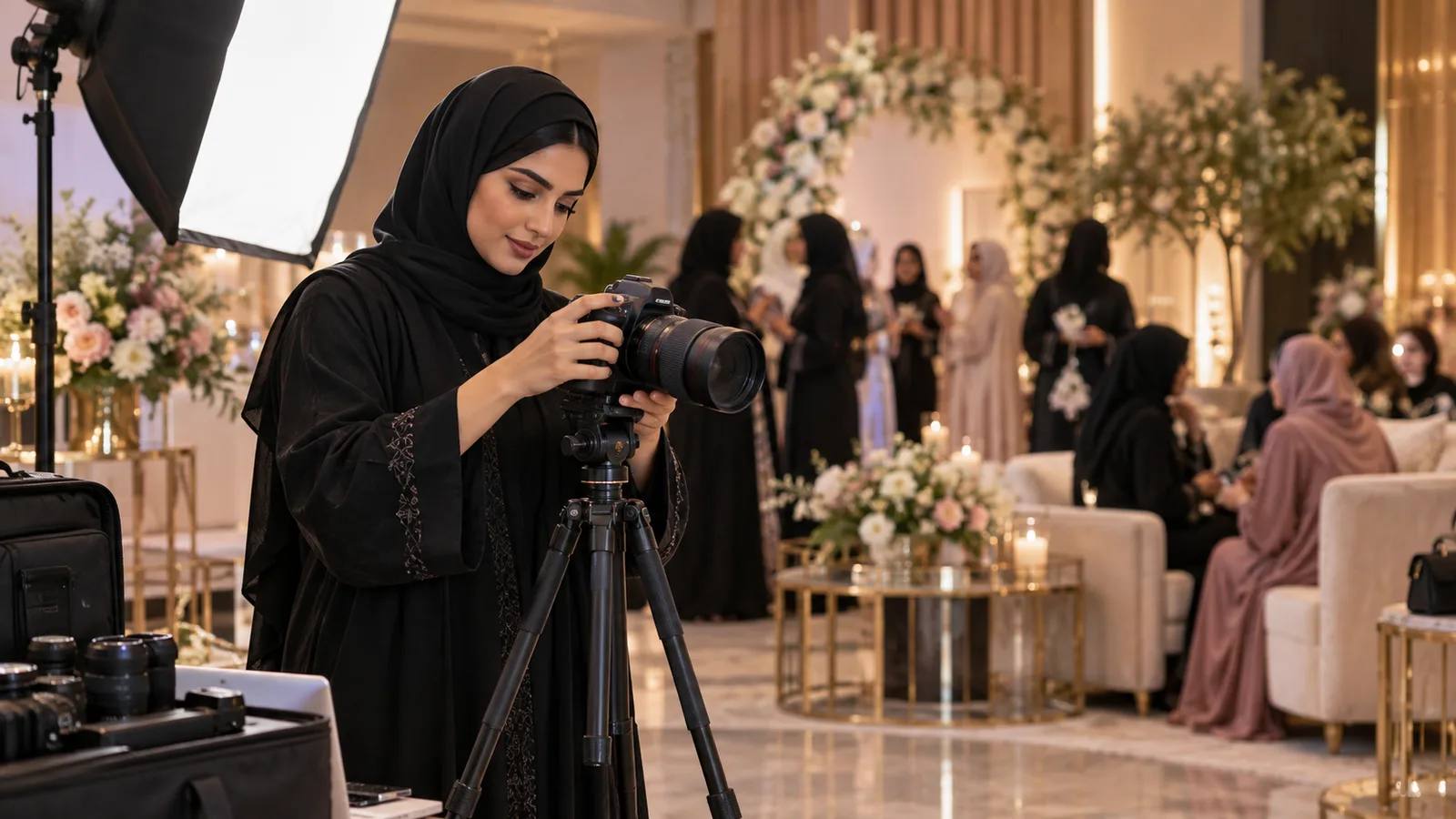
For any organised shoot, this means thinking about the background as well as the subject. A portrait session in a busy park will capture other people. Choosing a quieter time and a position that keeps strangers out of frame solves the problem before it exists.
Places where photography rules apply
Some categories are consistently off limits and are worth knowing without needing to be told twice:
- Government and military buildings, and anything that looks like security infrastructure.
- Airports beyond the ordinary passenger areas, and border crossings.
- The interiors of many government facilities, courts and some hospitals.
- Anywhere with posted signage prohibiting it, which is common in malls, some heritage sites and private venues.
Malls and private venues deserve particular mention because they trip up portrait sessions. A shopping centre is private property, and a photographer arriving with visible equipment for a planned shoot will usually be asked for permission or asked to stop, even though shoppers taking casual pictures are ignored. Equipment is what changes how you are read.
Organised shoots and photography permits
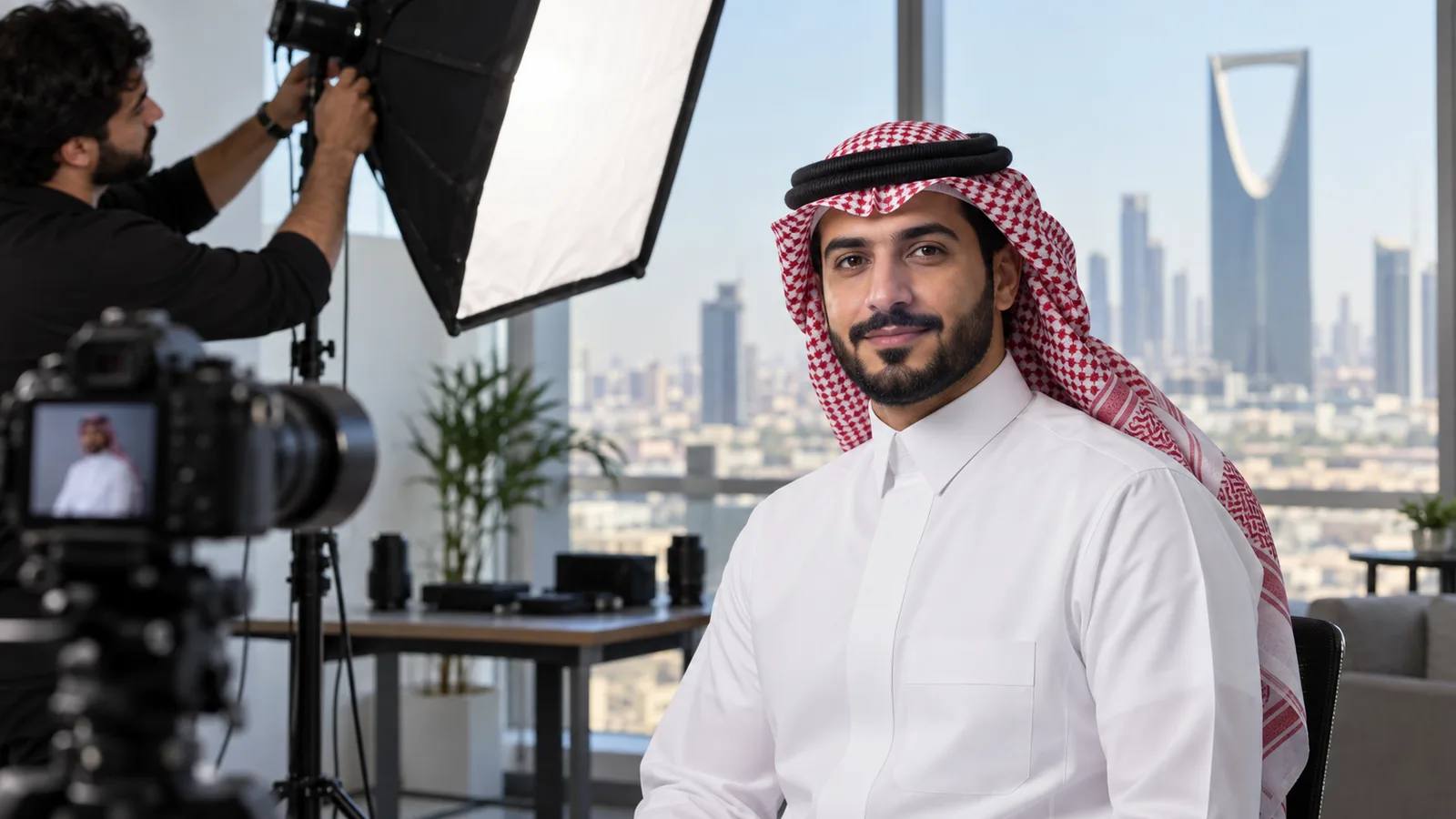
For a small personal session in an ordinary public place, a photographer working discreetly generally does not need paperwork. As the production gets larger, that changes. Lighting stands, crews, styled setups and anything that occupies space or draws a crowd move you into territory where the venue or the local authority will expect to have been asked.
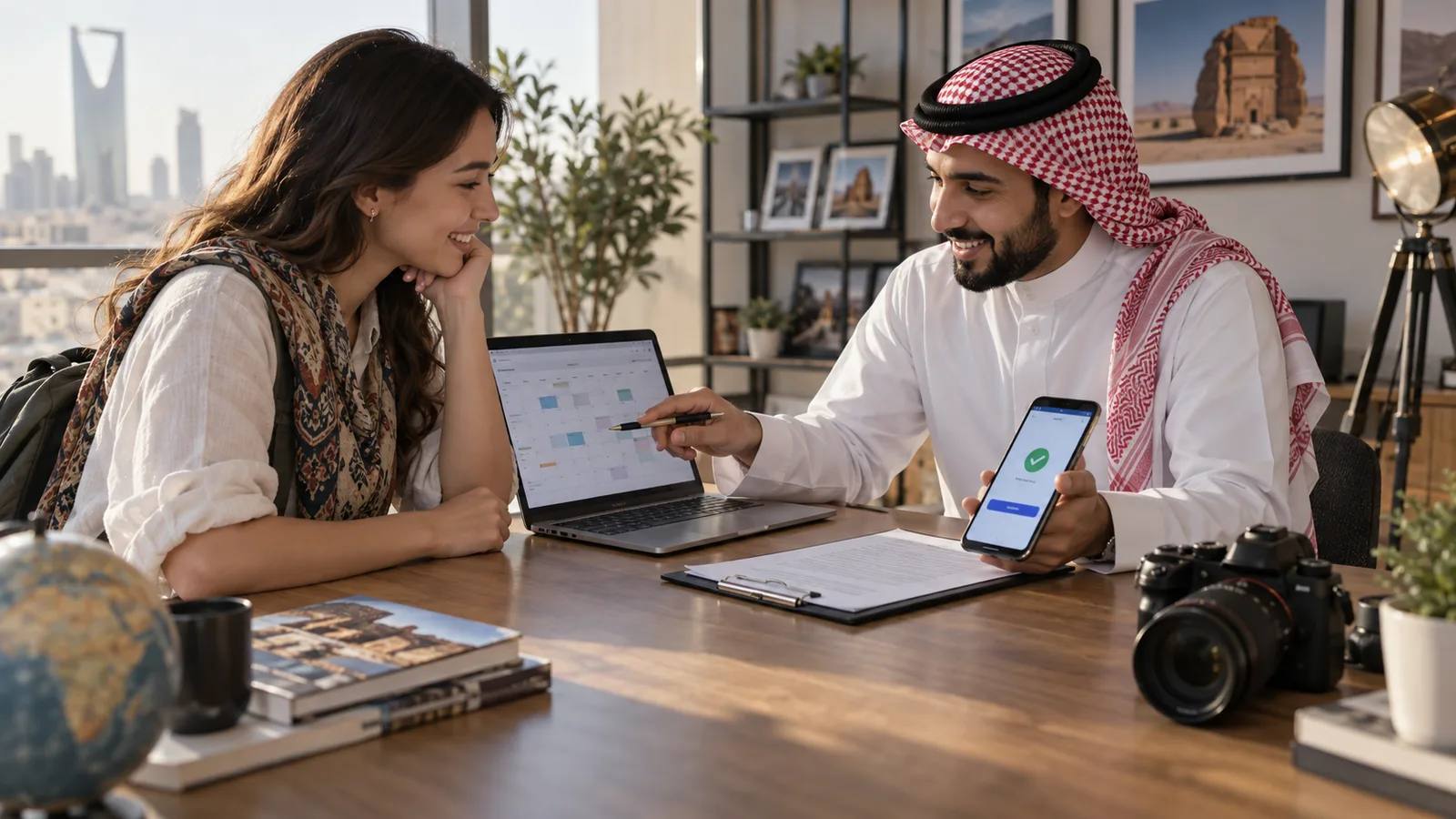
The practical approach: ask your photographer. Someone who works in the area regularly knows which locations are straightforward, which need a call in advance, and which are not worth the trouble. This local knowledge is a real part of what you are hiring, particularly if you are new to the country.
Heritage and religious sites
Rules vary site by site and can change, so check the specific location rather than generalising. Some heritage sites permit personal photography but not commercial or tripod-based work, a distinction that catches people out because the equipment, not the intent, is what staff can see. Restrictions around the holy sites in Makkah and Madinah are stricter, and the sensible default there is to follow posted guidance and staff instructions without improvising.
Drones
Treat drones as a separate matter entirely. Recreational and commercial drone use is regulated and requires authorisation, and flying one without it is not a minor infraction. If aerial images matter to your project, that is a conversation to have well in advance with someone who holds the relevant permissions, not something to add to a session on the day.
The short version
Be careful about photographing people, avoid government and security sites, check before shooting inside private venues, and lean on a local photographer's judgement for anything organised. That covers the overwhelming majority of situations.
If you are arranging a session and want someone who knows the local practicalities, you can browse photographers and raise the location question when you enquire. A photographer who answers it precisely is telling you something useful about how they work.
This article describes general practice and etiquette, not legal advice. Rules change and vary by location and by the nature of the work, so confirm anything consequential with the venue or the relevant authority.