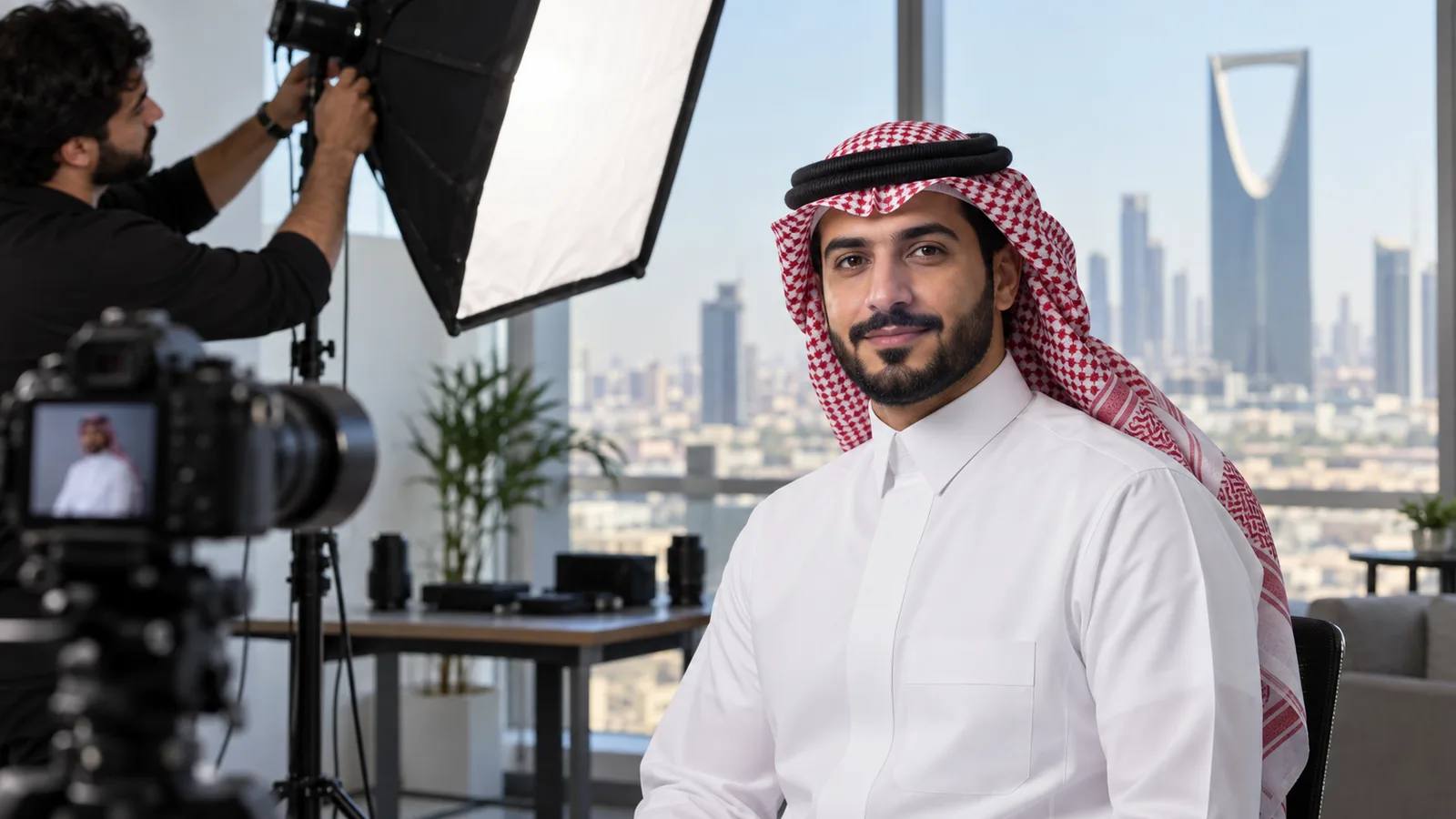
Nobody is naturally comfortable in front of a camera
This is worth saying plainly, because most couples assume the awkwardness they feel is a personal failing. It is not. Almost everybody is stiff for the first fifteen minutes of a couples photo shoot. Experienced photographers plan for it: they start with easy, low-stakes setups, they keep talking, and they quietly discard the early frames.
Knowing that changes how the session feels. You are not expected to arrive photogenic. You are expected to arrive, be slightly uncomfortable for a while, and then forget the camera is there.
How a couples session usually runs
Most pre-wedding photo sessions last between one and two hours and move through two or three locations or setups. A common shape:
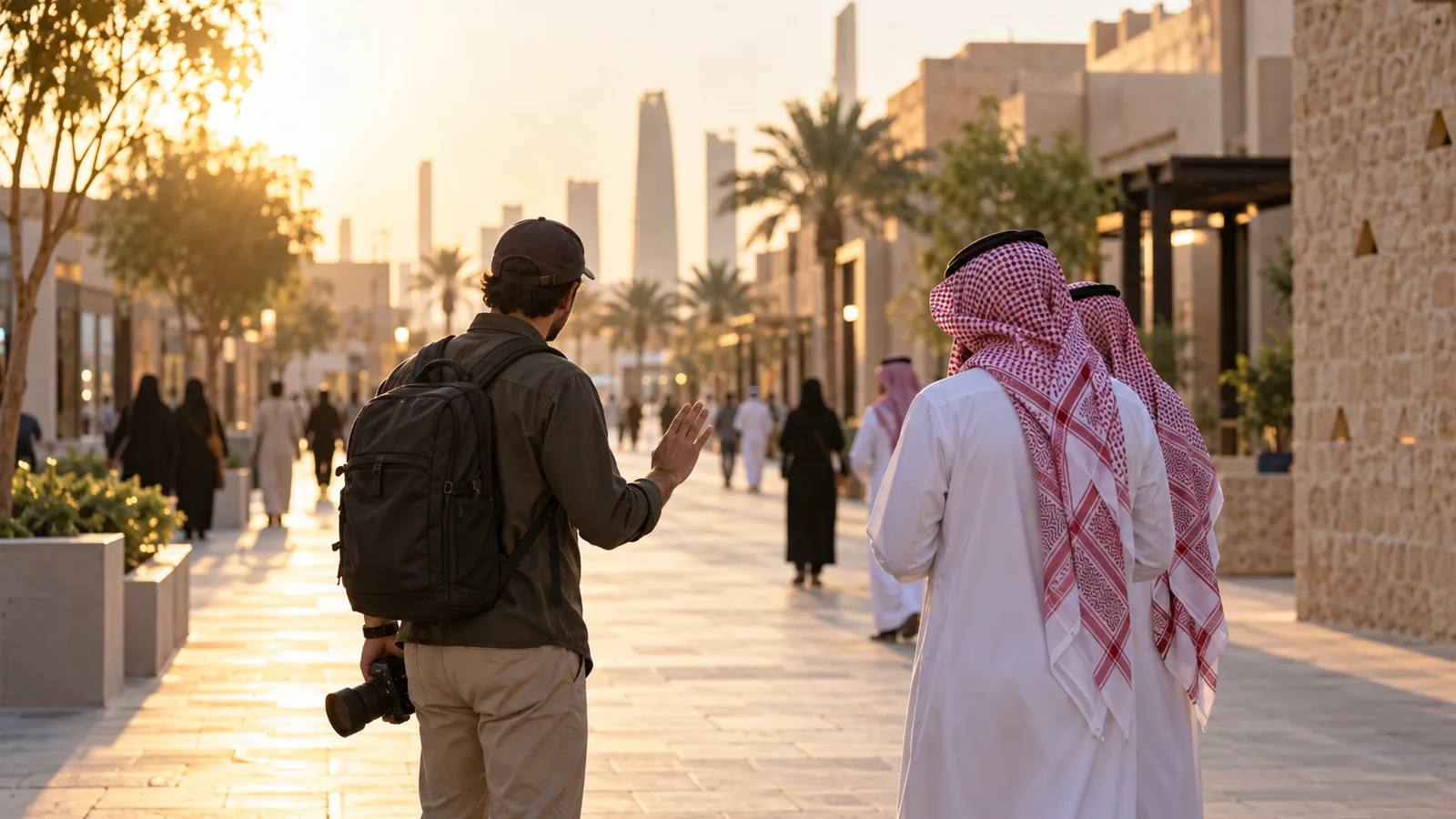
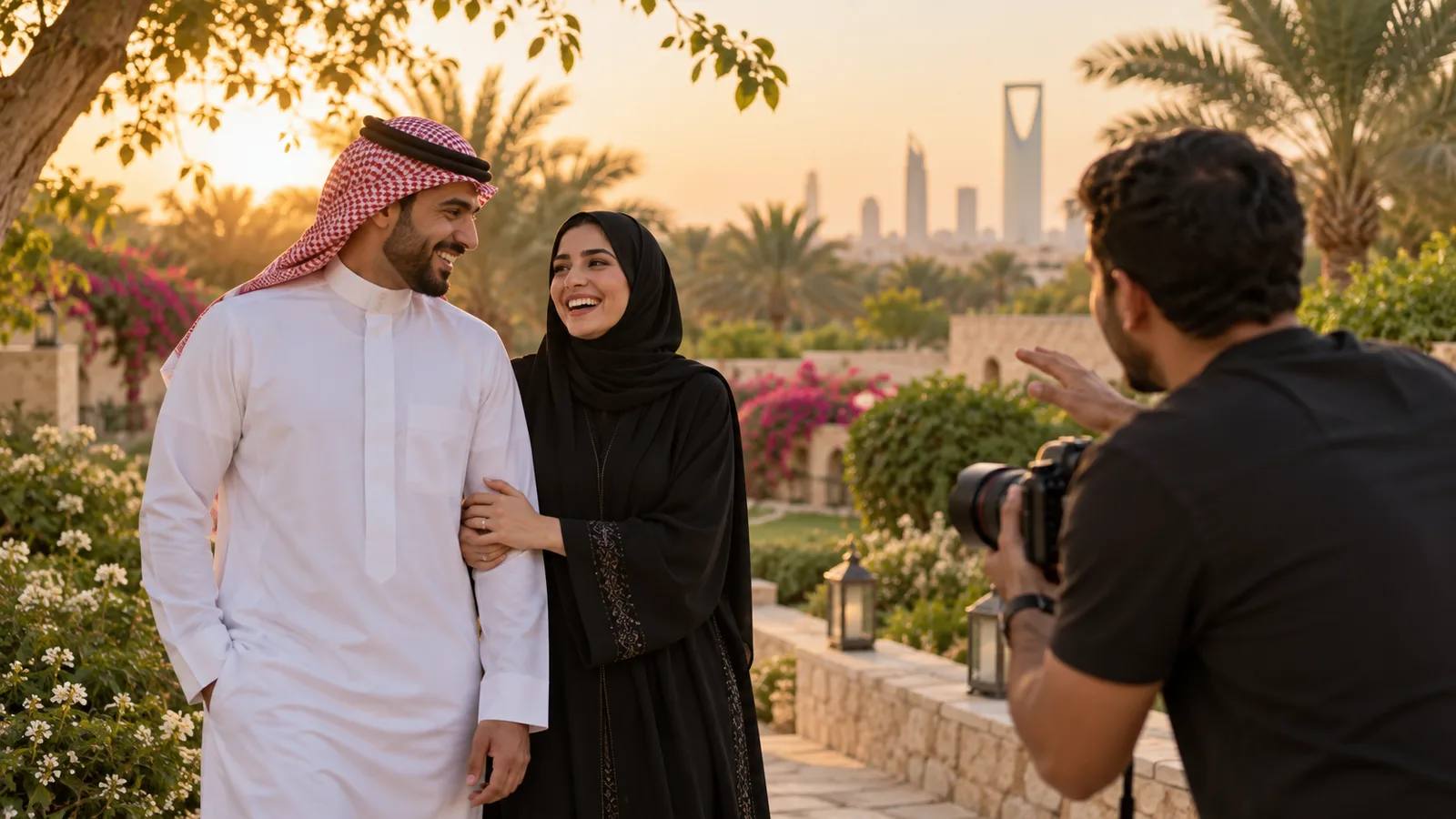
The photographer starts with the two of you simply walking or standing together, often from a distance, which is easier than being watched closely. Then they move closer for portraits once you have loosened up. Somewhere in the middle they will give you something to do rather than something to pose, because people look natural when they are occupied. Towards the end, if the light is going golden, they will use it for the frames most likely to end up on a wall.
If a photographer poses you rigidly for the whole session and never lets you move, the photographs will look exactly like that.
What to sort out before the day
- Location, and whether it needs permission. Public streets and parks are usually fine for a small, unobtrusive session. Private venues, malls and some heritage sites require arrangement in advance, and turning up hoping is how sessions get cut short.
- Timing relative to sunset. Ask your photographer what time they want to start and treat that as fixed. Light is the one variable nobody can negotiate with.
- What you are both wearing, together. Not matching, but not clashing. Two people in unrelated palettes look like two people who arrived separately.
- Whether you want any images kept private. Say so before rather than after, especially if the photographer shares client work publicly.
Clothing that photographs well
Solid colours and simple shapes hold up best. Very busy patterns pull attention to themselves and date quickly. Bright white and pure black are both harder to expose well when they appear together in strong light, though a good photographer will manage.
More useful than any colour rule: wear something you can move in. Sessions involve walking, sitting on things, and standing in slightly awkward places. Clothes you are adjusting constantly show in the photographs, because you will look adjusted rather than relaxed.
Deposits and cancellations
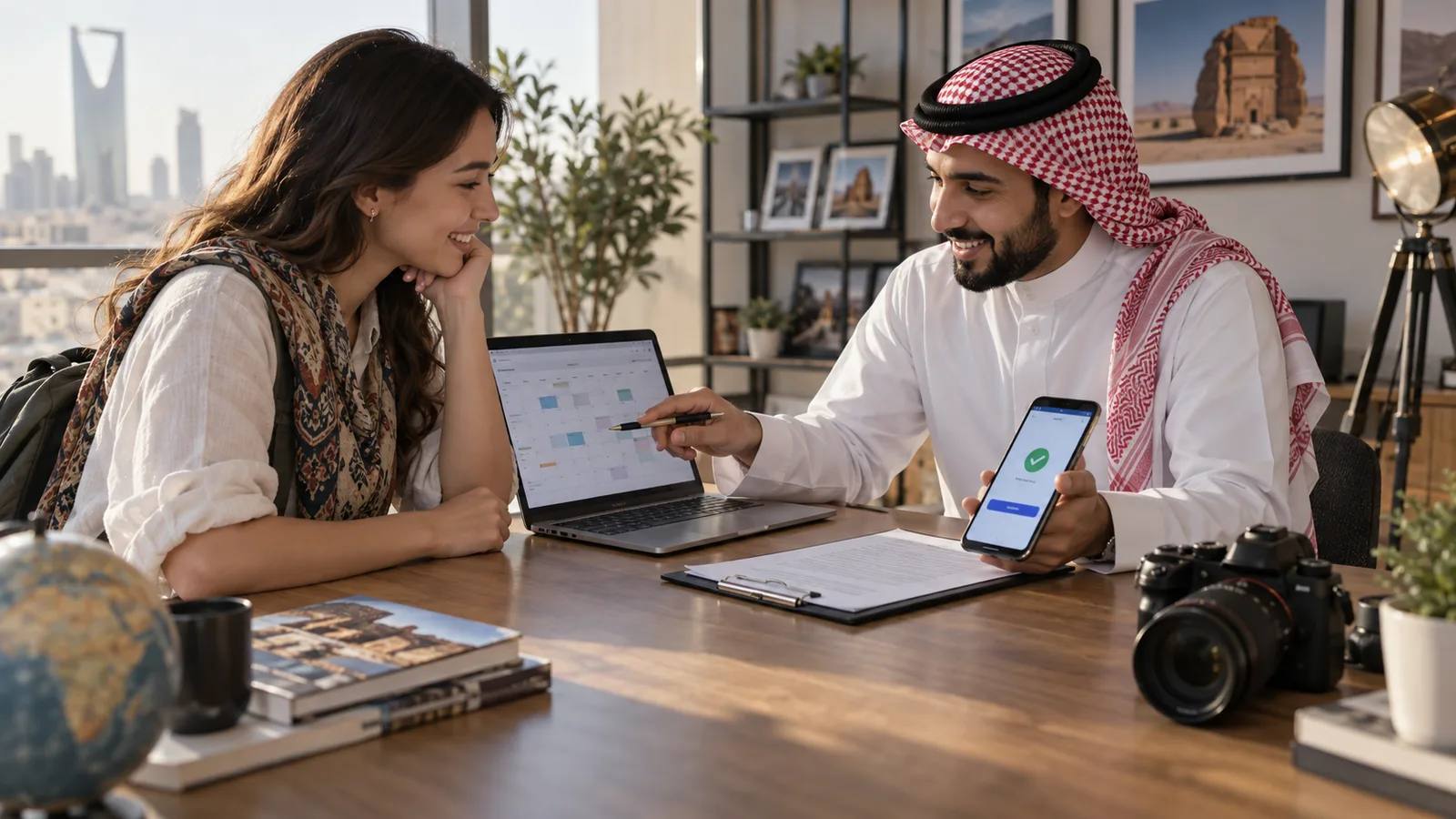
Couples photo sessions are usually booked with a deposit that holds the date. Before you pay it, confirm two things: what happens if the weather makes the session impossible, and what happens if you need to move the date. Both are normal requests and any professional will have a clear answer. Weather clauses matter more than couples expect, since an outdoor session in this region can be lost to heat or dust as easily as to rain.
How many photographs to expect
Ask, and get a number. A one-hour session commonly yields somewhere in the range of thirty to sixty edited images, though this varies a great deal by photographer and by how the session goes. What matters is that the number is agreed rather than assumed, and that you know whether you are receiving edited files, unedited files, or a mixture.
Finding a photographer for your engagement session
Couples and engagement work is widely offered on the platform. You can browse engagement photography and compare portfolios. One practical filter: look for a photographer whose couples look comfortable. Technical quality is easy to find; putting two nervous people at ease is the harder skill, and it shows in the work.