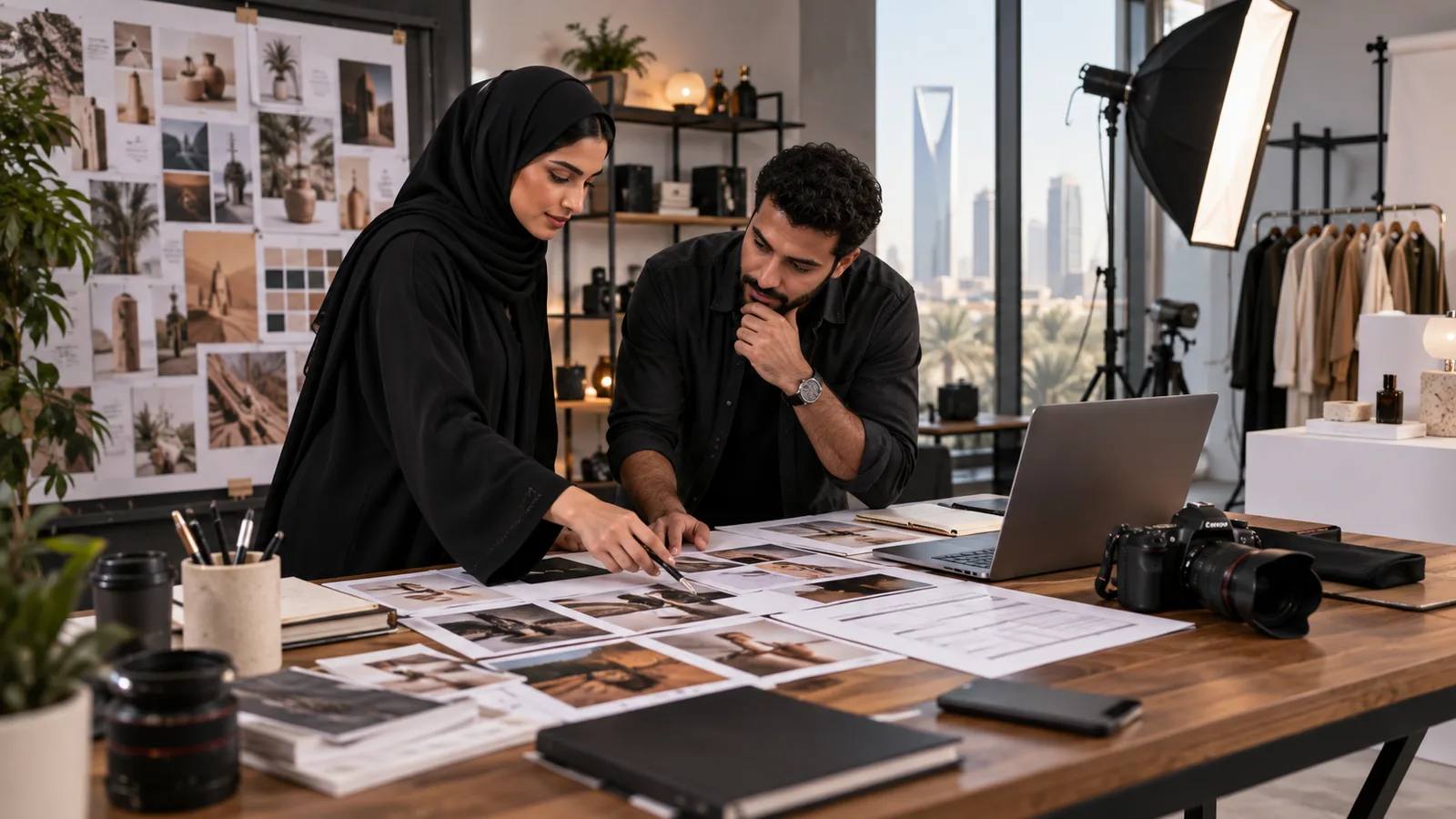
Planning comes before the camera
When a business photo shoot goes wrong, the photographs are usually technically fine. They are just not the photographs the business needed. Nobody agreed what the images were for, so the photographer made reasonable choices that happened not to match what somebody had in mind.
A shoot plan fixes that, and it does not need to be a formal document. It needs to answer four questions.
Question one: where will these images be used?
This changes almost every decision. Images for a website hero need wide compositions with room for text. Images for Instagram need to work in a square or vertical crop. Images for a printed brochure need far more resolution than either. A photographer who knows the destination will frame for it; one who does not will centre everything and hope.
Be specific. "Website and social" is a start. "Homepage banner, About page, and Instagram posts" is a real plan.
Question two: what has to be recognisable?
For a workplace shoot, is it the team, the space, or the process? For an event, is it the speakers, the audience size, or the branding? Say which elements must appear clearly, and the photographer will prioritise them when the schedule tightens, which it always does.
This is also where you flag anything that must not appear. Competitor products in the background, unbranded equipment, a wall that is due to be repainted, staff who have not consented to being photographed.
Question three: how many final images do you need?
This is the number that determines cost and timeline, and it is the one most often left vague. A photographer can shoot several hundred frames in a morning; editing them is the slow part. Agreeing on twenty final edited images sets a clear scope. Agreeing on "photos of the office" does not.
If you are unsure, think in terms of placements. Count the pages and posts you need to fill, add a margin, and that is your number.
Question four: who is deciding?
Shoots stall when approval is unclear. If three people will review the images and two of them were not at the shoot, expect revision requests that no amount of shooting can prevent. Name one person who signs off, and get the others to raise preferences before the day rather than after.
Questions to ask when you hire a photographer for business
A short conversation before booking tells you most of what you need.
- Can you show work from a similar shoot? Not just a nice portfolio. Work that resembles the job you are hiring for.
- What do you need from us on the day? Access, a contact person, a cleared space, someone with keys.
- How long will editing take? Get a date, not "soon".
- What happens if we need a reshoot? Knowing the answer before you need it is worth a lot.
Scheduling realities
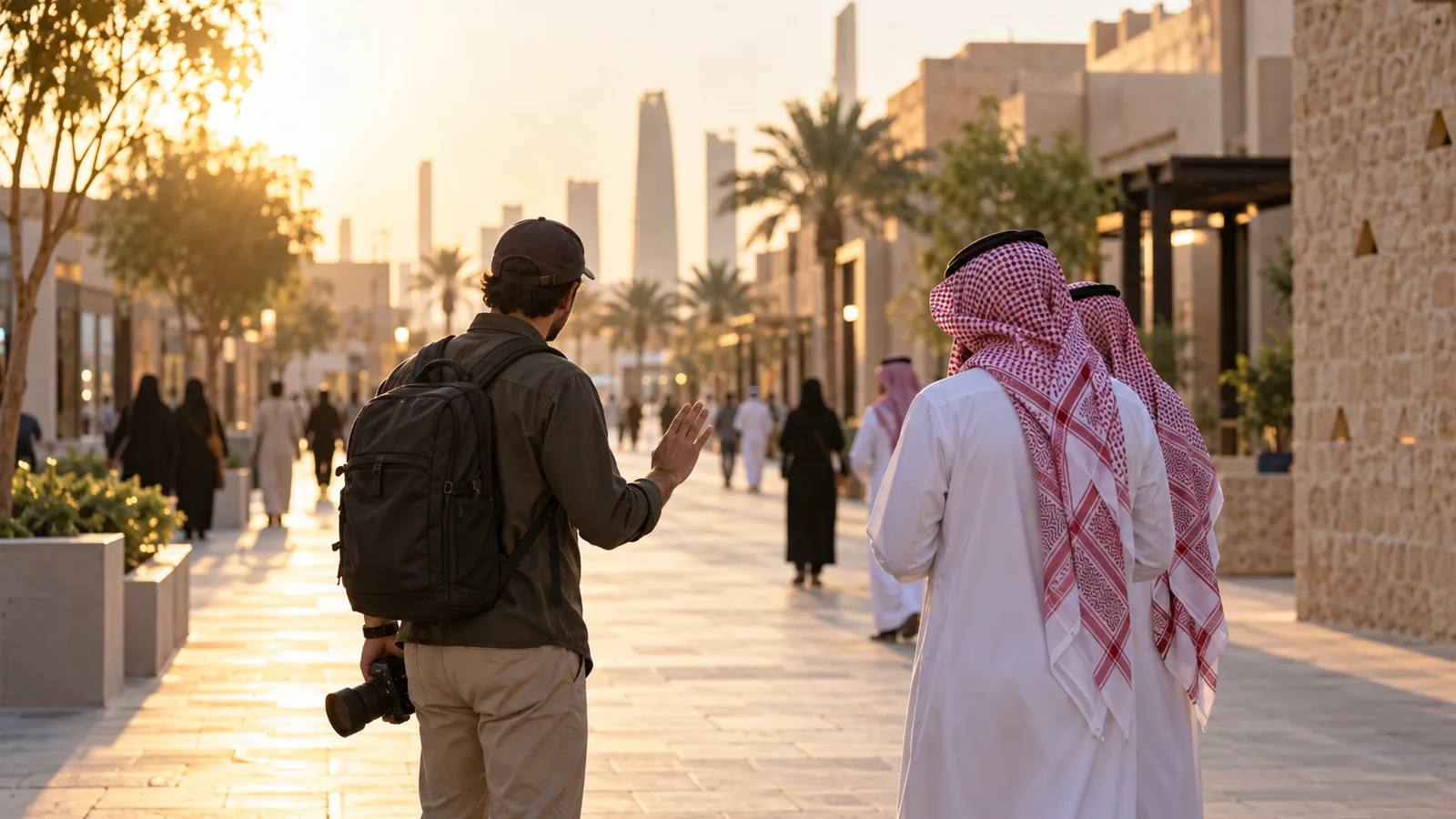
Business shoots are constrained by the space more than the camera. Offices photograph best when they are tidy and lightly occupied, which usually means early. Retail spaces photograph best before opening. Anything relying on daylight is limited by the sun, and in the Gulf summer that pushes shoots to the ends of the day. Building the schedule around those constraints, rather than around whose calendar is free, is what makes the difference between usable images and a wasted morning.
Finding the right photographer
Commercial work is the most commonly offered specialty on the platform, which means you have real choice and should use it. Start at commercial photography and shortlist two or three whose existing work matches your shoot in kind, not just in quality. If your project involves products as well as spaces, check product photography too, since not every business photographer shoots both well.