Start from what the pictures are for
Outfit advice only makes sense once you know the purpose. Clothing that works for a relaxed family session at sunset is wrong for a professional portrait, and both are wrong for a formal occasion. So before anything else, decide what these pictures are going to be used for and how long you want them to look current.
That last point is the one people skip. Anything strongly tied to a passing trend will date the photograph precisely, which is fine for a social post and unhelpful for something you intend to frame.
What genuinely matters
Fit matters above everything else. Well-fitted simple clothing photographs better than expensive badly-fitted clothing, every time. Cameras exaggerate loose fabric and bunching, particularly around the shoulders and waist.
Prefer solid colours to busy patterns, especially near the face. Patterns compete for attention with the person wearing them, and fine repeating patterns can interact badly with digital sensors and produce odd shimmering artefacts.
Mid-tones are forgiving. Pure white and deep black are both harder to expose well, and when they appear together in one frame something usually gives. This is manageable for a competent photographer but it uses up latitude that could have gone elsewhere.
Coordinate a group without matching it. For families, pick a small palette of two or three compatible colours and let people choose within it. Everyone in identical white shirts looks like a uniform; everyone in unrelated colours looks like a coincidence.
Comfort shows in the pictures. If you are adjusting something, you will look like someone adjusting something. Shoes matter here more than people expect, since sessions involve more standing and walking than anyone anticipates.
What matters less than you have been told
Bringing five outfit changes rarely improves the result. Two is usually plenty and three is generous; beyond that you spend the session changing rather than being photographed.
Elaborate props usually do not help either. They tend to look like props. The exception is something with genuine meaning to the people in the photograph, which reads completely differently.
And you do not need to lose weight, change your hair, or become a different person before a shoot. Photographers work with the person in front of them, and the pictures people treasure are almost never the ones where the subject looks least like themselves.
Getting ready, one to two days ahead
- Haircuts two or three days before, not the day before. They need to settle.
- Nothing new tried on your skin in the days beforehand. A session is a bad time for a reaction.
- Have clothes ready and pressed the night before. Creases from a bag are visible and irritating to remove afterwards.
- Sleep, and drink water. This sounds like filler advice but tiredness is genuinely visible around the eyes and it is the one thing no amount of retouching handles convincingly.
On the day
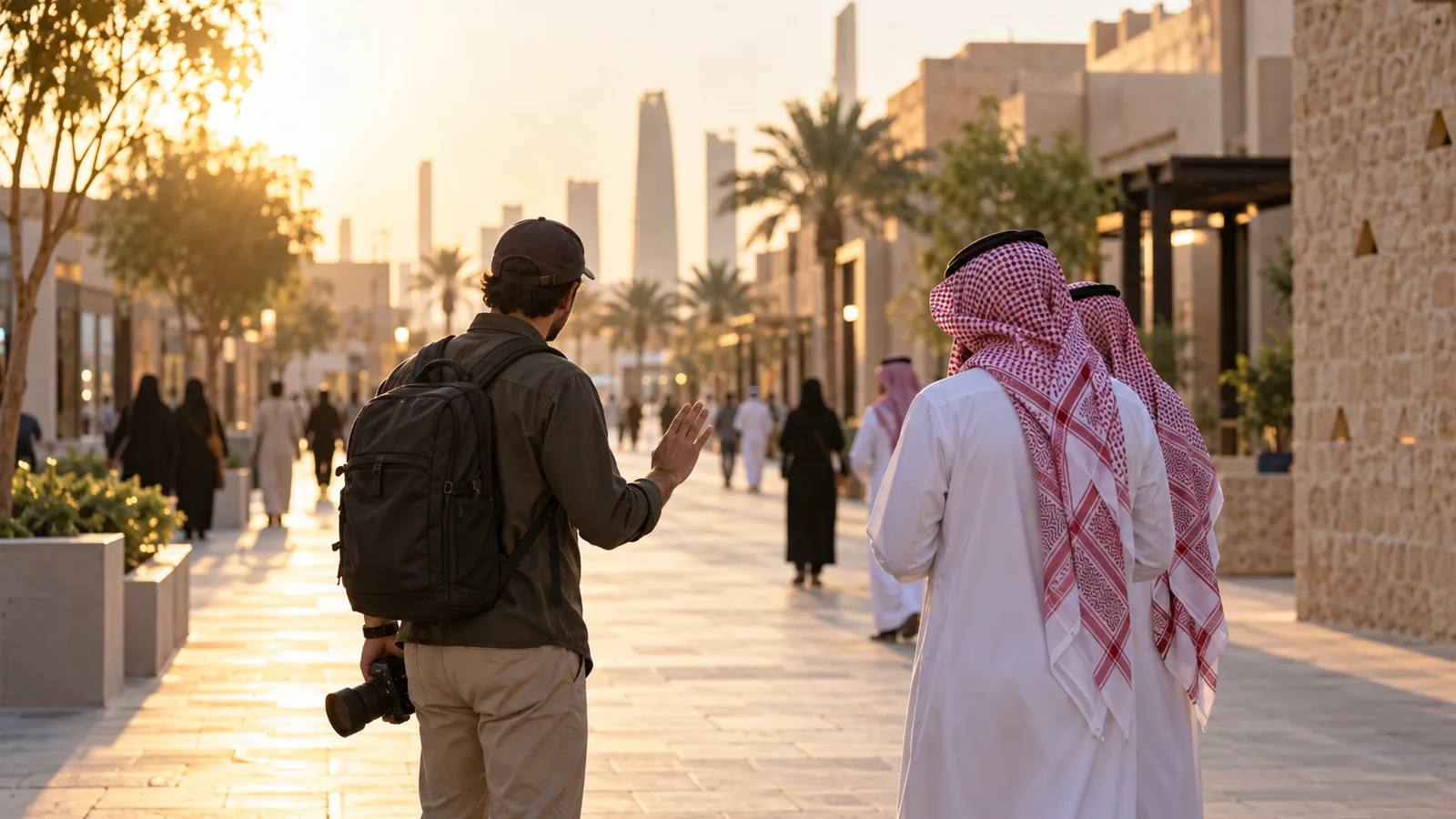
Arrive slightly early, particularly for an outdoor session with a fixed light window. A photographer who planned around sunset cannot recover twenty lost minutes.
Bring a mirror, or someone whose eye you trust. Small things, a collar folded under, a strap showing, hair across the face, appear in every frame until somebody notices.
Then, as much as you can manage, stop thinking about it. The most common thing that makes pictures look stiff is the subject monitoring themselves. That is the photographer's job, and a good one will tell you when something needs fixing.
Bringing it together
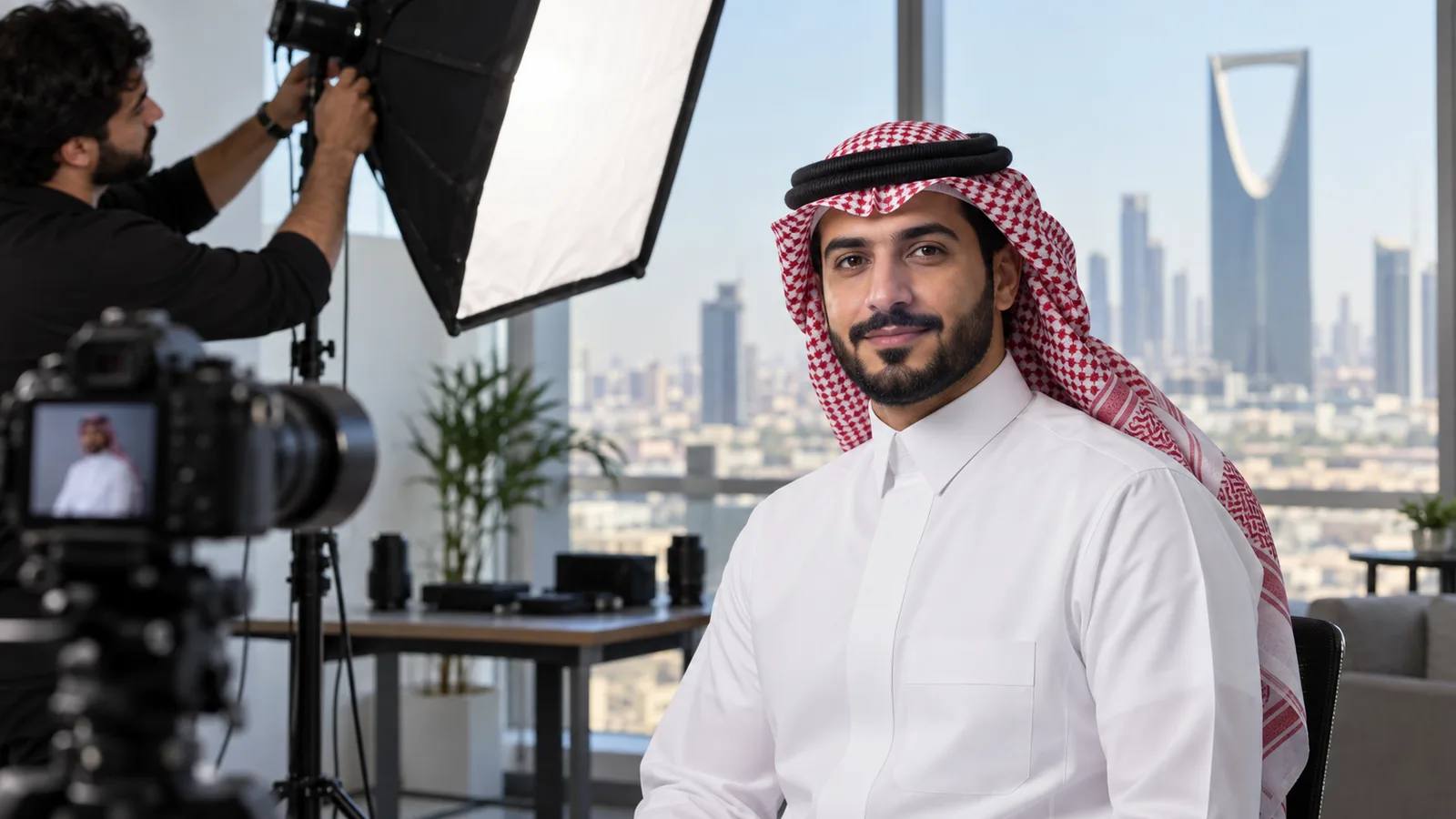
If you have a photo session coming up, the short version is: wear something well-fitted and simple that you can move in, bring one alternative, sleep, arrive early, and let the photographer direct. That covers most of the value in any outfit and preparation guide.
If you are still choosing a photographer, you can browse verified photographers by city and specialty, and ask any shortlisted candidate what they would like you to wear. A specific answer to that question is a good sign.